Read pulse meters over LoRaWAN
Connect up to four meters with an S0 pulse output – electricity, water, gas – to LoRaWAN. The pulse output is still the most common output in the field. No new meter, no electrician, no site visits.
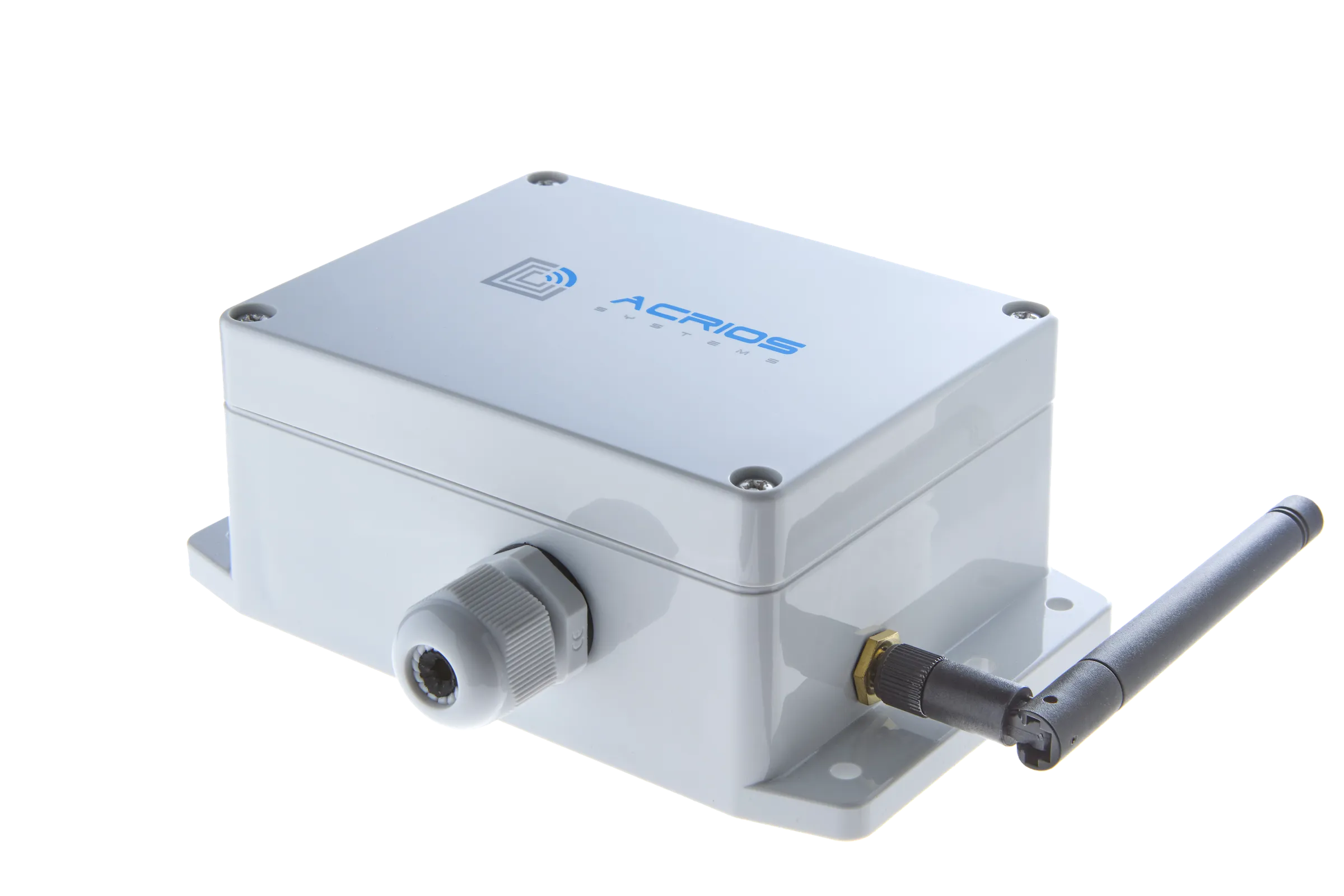

meters
interface
configuration
Manual reading visits are your real cost
Based on a conservative estimate of €25 per site visit for technician time, travel, and admin, typical for Central European deployments. Western European costs are typically €40–60.
Hardware is a one-time cost. Reading visits are eliminated permanently. Year 2+ saving equals the full annual visit cost.
Built for these situations

Most electricity meters have an S0 output. Read consumption per tenant, per machine, or per circuit without touching the main meter.

Split consumption into high and low tariff windows. The scripting interface handles the logic on the device itself.

Any water or gas meter with a pulse output reports remotely. IP67 protection and battery operation included.

No power socket nearby? The converter runs on its own battery and even supplies 3.3 V to the connected sensor.

The pulse output is the lowest common denominator in metering. Almost every meter has one, and it is the same regardless of brand. Four inputs cover most sub-metering points we see. If your meter already speaks M-Bus or wM-Bus, those converters are usually a better fit. S0 is the right tool when a simple pulse is all the meter gives you, which is still most of the time.

Every detail counts in the field
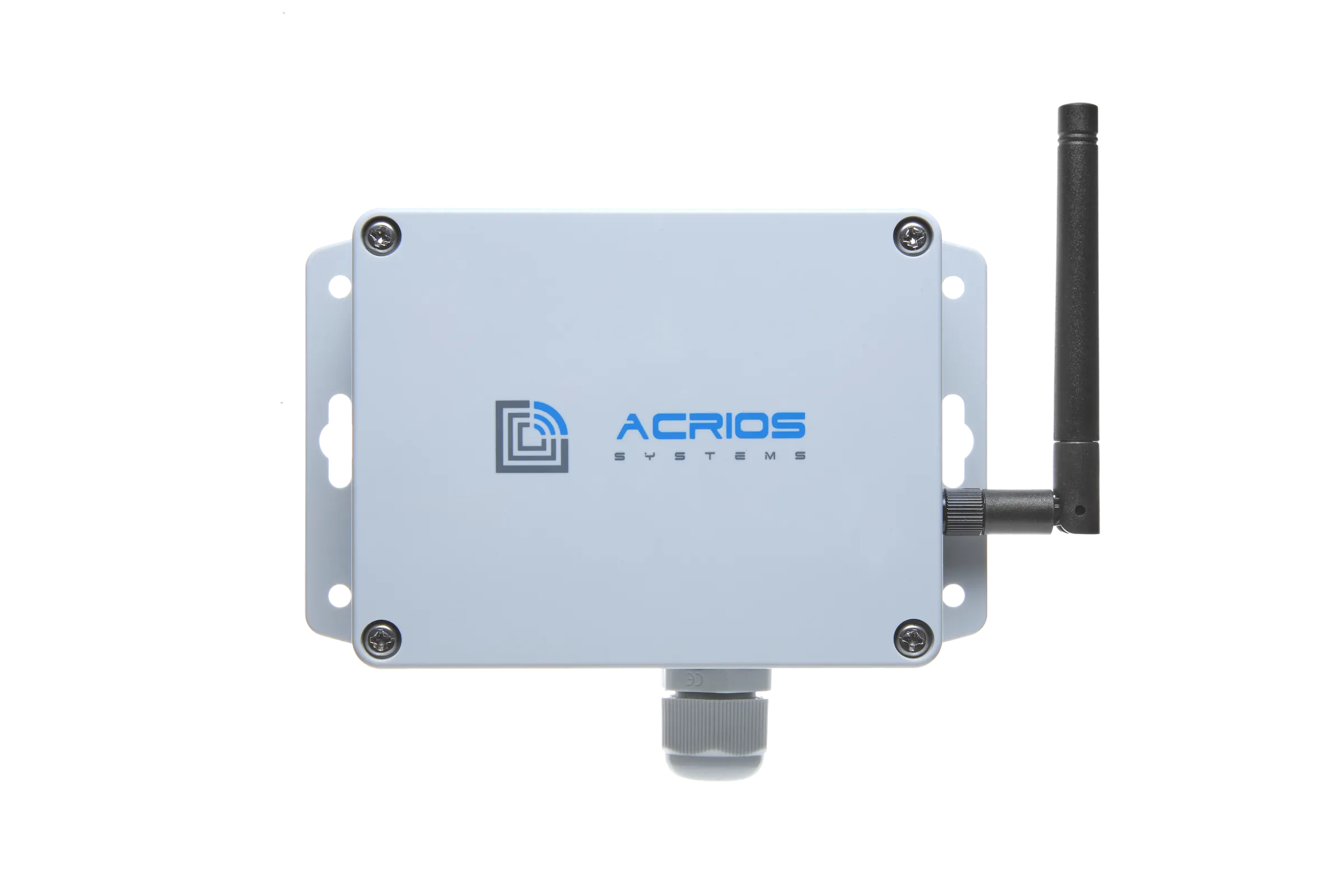
Built for harsh environments
- IP67 rated – fully waterproof and dustproof; suitable for outdoor cabinets, basements, and heat stations
- External LoRaWAN antenna supplied in the box; route it outside a metal cabinet for full signal when needed
- Euroclamp terminal block – wire all four inputs comfortably
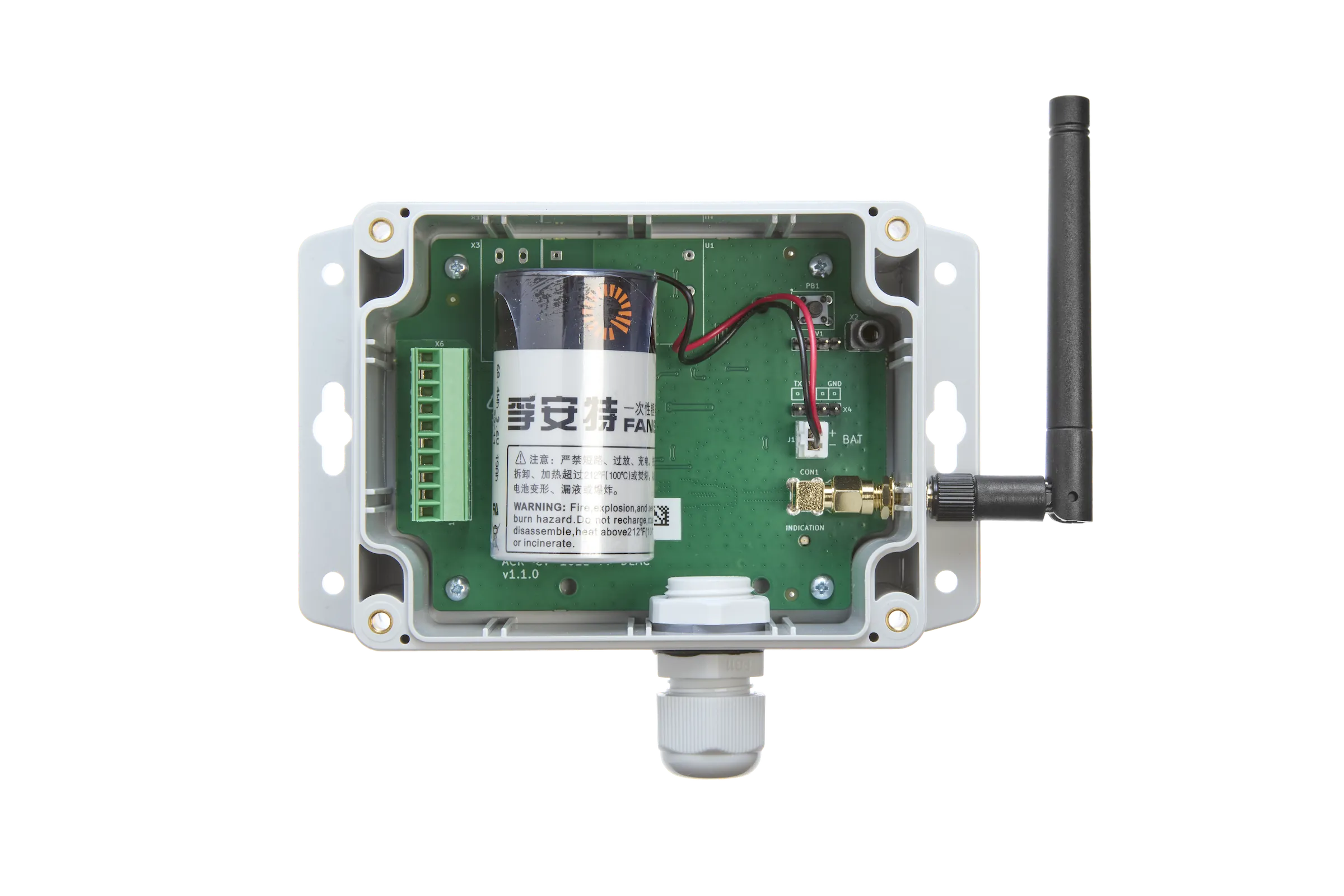
Single battery for up to 10 years
- Single battery 19 Ah D-Cell – primary lithium, −40 °C to +85 °C rated, <1%/year self-discharge rate
- 8 years battery life at SF12, 15-min readings – verified in real deployments
- Over 10 years battery life at 1-hour readings – ideal for billing-grade metering
- User-replaceable battery without tools – sourced from distributors across Europe
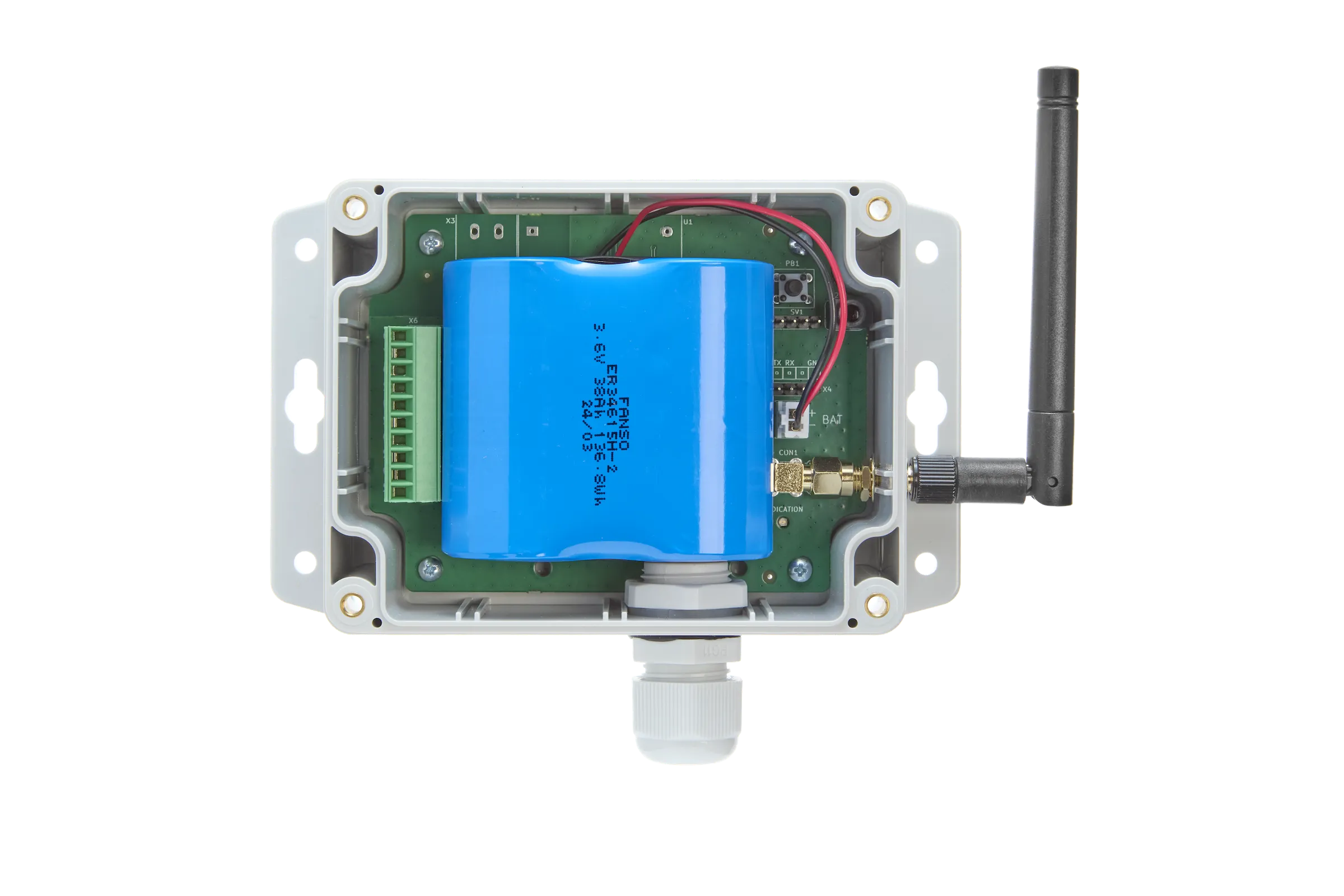
Dual battery for up to 20 years
- Dual battery 38 Ah 2xD-cell – double capacity in the same enclosure footprint
- 16 years battery life at SF12, 15-min readings – cuts maintenance visits in half vs. single cell
- Over 20 years battery life at 1-hour readings, based on typical consumption, not a guaranteed lifespan
- Drop-in swap – same enclosure, plug-in pack; field replacement takes under two minutes
The best fit for advanced users
A pulse output carries no metadata. The device sees edges on a wire, not units. One pulse can mean 1 Wh, 1 litre, or 10 litres, and only the meter's datasheet says which. There is nothing to auto-detect. The Lua scripting interface is how we map each input to real units and the logic you actually need, and we set it up with you.
Define each meter
Tell the device what a single pulse means for each input. Pulse weight, unit, and debounce if the meter needs it. This is where raw counts become kWh, m³, or litres.
Set inputs and intervals
Pick which of the four inputs are active and set the reading interval. Add alarm thresholds where a spike or a leak should trigger an immediate message, regardless of the interval.
Finish configuration
Save the configuration to the device. You can later change or modify the configuration via downlinks.

Why installers choose retrofit

The pulse output is on almost every meter, regardless of brand or age. Connect up to four devices to a single unit – electricity, water, gas, and more.

If you want to monitor pulse patterns, if you want to implement two-tariff logic or you want to get values from 4 meters via single device, you have the flexibility to do so.

Easy remote configuration. Change meter reading intervals, add meters, or update addressing via LoRaWAN downlink, without a site visit.

Designed and produced in the Czech Republic. Full firmware control, Cyber Resilience Act ready, long-term support guaranteed.
One device instead of one radio per meter
Putting a separate wireless module on every pulse meter sounds simple – but it multiplies cost and installation work for points that often sit side by side.
One radio per meter
- Cost multiplies per meter – a separate module and battery for every single pulse output, even when four sit in the same cabinet
- More devices to install and maintain – each one commissioned, mounted, and battery-tracked on its own
- Fixed logic – most simple loggers cannot do dual tariff, on-device history, or custom thresholds
- More airtime – separate uplinks per device add load to the network
- Cost multiplies per meter – a separate module and battery for every single pulse output, even when four sit in the same cabinet
- More devices to install and maintain – each one commissioned, mounted, and battery-tracked on its own
- Fixed logic – most simple loggers cannot do dual tariff, on-device history, or custom thresholds
- More airtime – separate uplinks per device add load to the network
ACRIOS S0 converter
- Up to four meters, one device – connect four pulse outputs to a single converter and a single uplink
- Works with any pulse output – the S0 interface is the same across brands; manufacturer and age do not matter
- Scripting for real logic – dual tariff, sampling, history, and custom alarms run on the device itself
- Remote and replaceable – reconfigure over the air, swap the standard battery without tools
For wM-Bus, M-Bus or Modbus protocols, ACRIOS also makes converters. Ask us if your site has mixed meter types.
- Up to four meters, one device – connect four pulse outputs to a single converter and a single uplink
- Works with any pulse output – the S0 interface is the same across brands; manufacturer and age do not matter
- Scripting for real logic – dual tariff, sampling, history, and custom alarms run on the device itself
- Remote and replaceable – reconfigure over the air, swap the standard battery without tools
For wM-Bus, M-Bus or Modbus protocols, ACRIOS also makes converters. Ask us if your site has mixed meter types.
Works with any LoRaWAN network
The pulse converter sends standard LoRaWAN Class A packets. Any compliant network server can receive and forward them.
Trusted by teams across Europe
No new meter, no electrician, no site visits. We connected the existing pulse outputs and had four meters reporting over LoRaWAN the same day.

DEPLOYMENT
ACRIOS set the pulse weights and units with us through the scripting interface, so the data arrived already in kWh and m³.
When the network dropped, the device kept counting and resent the values. We never lost a reading.
Specifications
Hardware
Order codes
Supported features
- Reads any meter or device with an S0 pulse output
- Connects up to four S0 meters per converter at the same time
- Works with electricity, water, gas and heat meters
- 32-bit pulse counter, up to 33 Hz, inputs up to 24 V
- Configurable pulse weight and units per input via Lua scripting
- Dual-tariff measurement, continuous sampling and history storage via scripting
- Alarm thresholds send an immediate message regardless of the reading interval
- Stores pulse counts and resends the last three values after a network outage
- Battery-powered (single or double) or externally powered versions available
- Dual D-cell batteries provide over 10 years of operation
- User-replaceable battery in battery-powered versions
- LoRaWAN EU868 communication with OTAA join, ABP configurable
- Device class A by default, B and C configurable
- Remote configuration over LoRaWAN downlink, including pulse weights and intervals
- Local configuration over cable via ACR-CONFIG and the configuration app
- Reading intervals from 15 minutes
- Tested across the largest European LoRaWAN networks and isolated systems
Everything you might need on site
Optional accessories available directly from ACRIOS. Ask us when ordering.
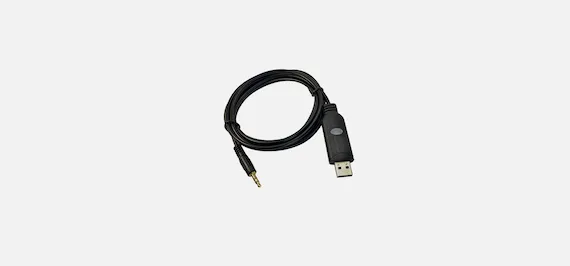
Configuration cable
USB to 3.5mm jack serial cable for local device configuration. FTDI chipset, optically isolated, 1.8 m. Required for first time local setup via scripting interface Lua.
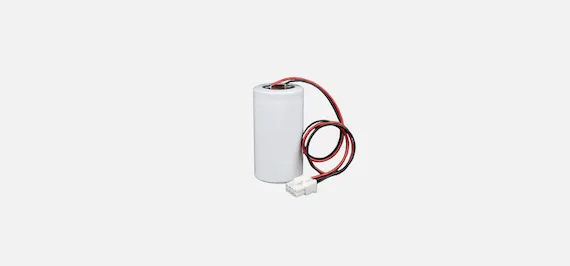
D-Cell battery
Replacement D-cell battery, 19 000 mAh, with a JST-XH 2-pin connector compatible with the converter. Primary lithium cell for long-term battery-powered operation.
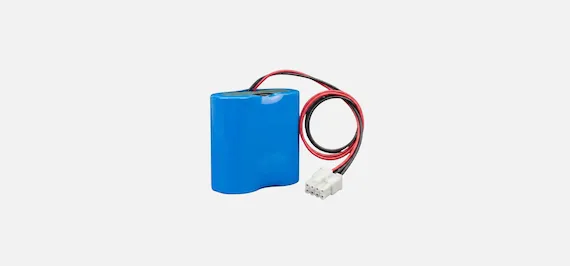
2×D-Cell battery
Replacement 2×D-cell battery pack, 38 000 mAh, with a JST-XH 2-pin connector compatible with converter. Double capacity for the longest maintenance-free service life.
Not sure which accessories you need? Ask us when requesting a sample – we'll include what's relevant for your setup.
Works with meters you already have
Verified with 30+ meter models. Any Pulse S0 standard-compliant meter should work, these are confirmed in the lab and in the field.
Frequently asked questions
Everything a first-time buyer typically wants to know. If your question isn't here, ask us directly.
Yes. The converter communicates over the LoRaWAN network, so you need either your own LoRaWAN gateway or existing public LoRaWAN coverage at the installation site.
You can install a private LoRaWAN gateway or use an external antenna to improve signal quality. The converter is suitable for both public and private LoRaWAN deployments.
The converter reads any meter or device with an S0 pulse output, such as electricity, water, gas and heat meters. You can connect up to four meters to a single unit at the same time.
A pulse output carries no units, so one pulse can mean 1 Wh, 1 litre or 10 litres depending on the meter. We use the Lua scripting interface to set the pulse weight and unit for each input, and we configure it with you.
The converter keeps counting and stores the pulse values locally, then sends the last three readings once the connection is restored. You can also set alarm thresholds that trigger an immediate message regardless of the reading interval.
The converter can be remotely reconfigured over LoRaWAN, including the active inputs, pulse weights and reading intervals. Settings can be updated without visiting the installation site.
Yes. Sample units are available for testing, pilot projects and integration validation before larger deployments.
Everything you need to integrate


Lua scripting interface

Integration manuals, protocol specs, installation guides, video tutorials.

Do you need support? Connect us via our service desk.
Relevant articles
M-Bus parsing strategies for LoRaWAN and NB-IoT
How to best replace walk-by meter reading
Can your existing meters be retrofitted?

Battery life in IoT: beyond the datasheet number
Agile, Waterfall, or NRE? Choosing a development methodology

Developing adaptive IoT communication under the CRA
Focused supplier or large vendor? Depends on the project

Edge computing in IoT metering
Manufacturer as a technology partner

Why a device without an antenna fails

CE certification for IoT: What RED DA changes

Water losses in utility networks: The hidden cost of leaks
Pressure monitoring in water networks: Early fault detection
M-Bus pressure sensor: Leak detection for water utilities
The cost of measurement data errors and how to prevent them

Smart Readiness Indicator (SRI): All you need to know
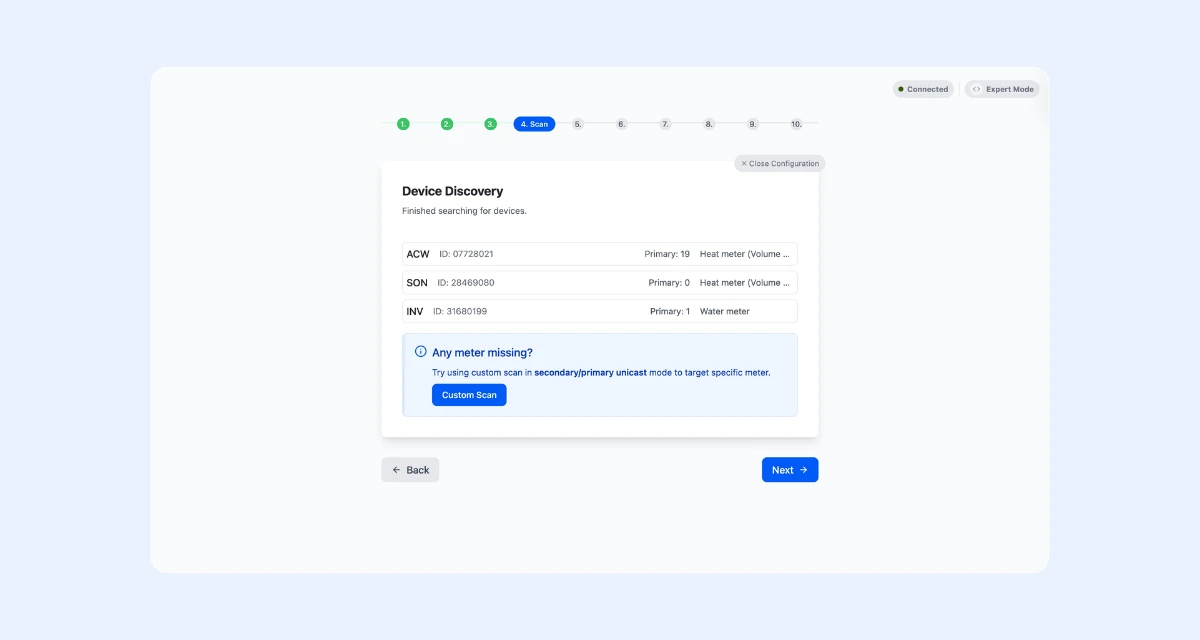
M-Bus installation tool Wizard from ACRIOS

Coulomb meter: Everything you need to know
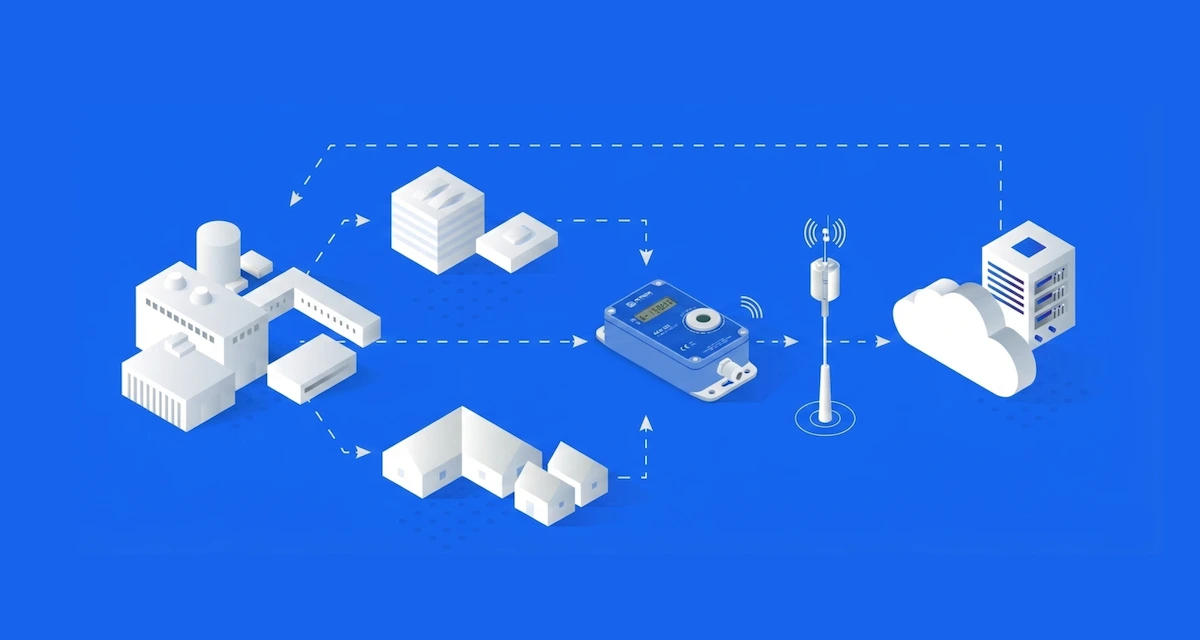
ACR-EX in water utilities: remote reading of pulse water meters

ACRIOS and Quectel announce partnership

External or internal? How custom development works

Proven deployment of 10,000 wM-Bus converters for EED
Choosing a remote reading system for water utilities
Open data interfaces pay off for reporting and integration

15-minute vs daily meter readings frequency explained
Scripting in IoT: Flexibility, sustainability, and protection

Gas meter data to dashboard: ACR-EX meets Datacake
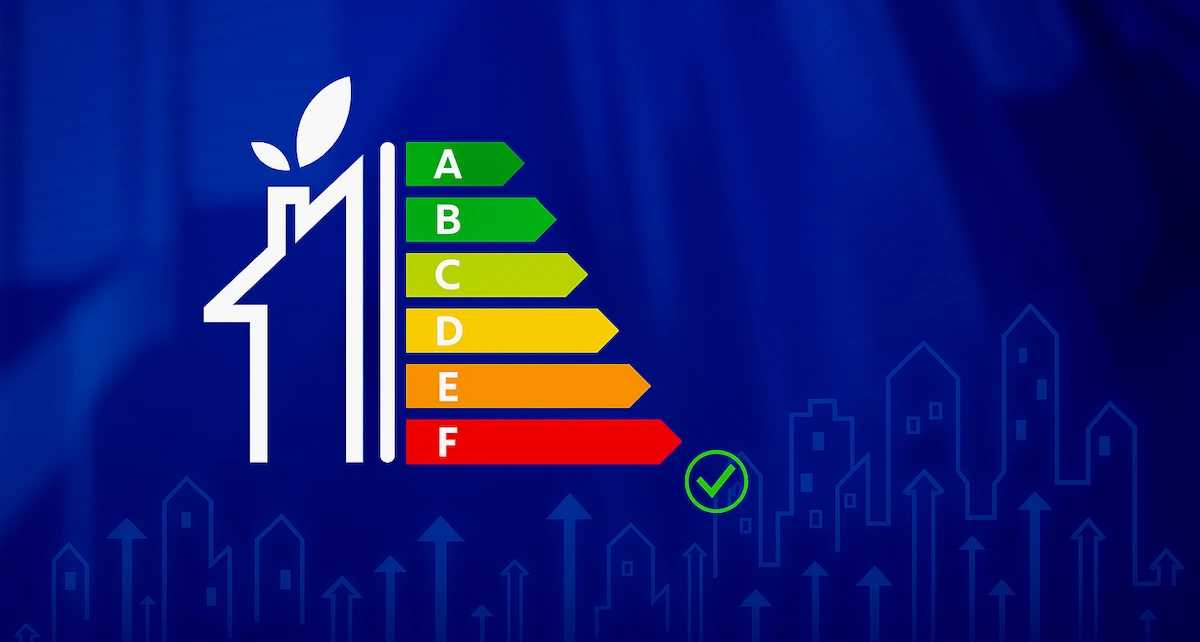
EPBD is coming: what BACS means for your building
When DTLS makes sense. Know before you deploy
Not your keys, not your hardware
868 MHz or 433 MHz? The right choice for your wM-Bus
Everything you need to know, documented. ACRIOS wiki.
End-to-end custom hardware and software development
How to collect energy data to support ISO 50001

Lowering IoT TCO through smart manufacturing
Reading Sensus meters with zero hardware changes

Why 15-minute data matters in district heating

Give me a tool that works. Not a manual.

5 most common myths about remote meter reading

Battery-powered vs wired: What really costs more?

Cyber Resilience Act and IoT hardware
Next-gen meter readings, no replacements needed

Modernising metering infrastructure

M-Bus to IoT integration explained

Understanding TCO: More than just hardware

NB-IoT technology: All you need to know

LoRaWAN: All you need to know

M-Bus, wM-Bus, and RS-485: A technology guide

LoRaWAN vs. NB-IoT: Which technology is right for you?
Smart metering: What it is and why it matters

IoT: Technology that saves time and money

ACRIOS Systems unveils its brand-new website.
Get in touch
Ask a technical question, request more information, or tell us about your project. We'll point you to the right person and the right solution.
In touch across Europe
Based in the Czech Republic, working with customers and partners across Europe. Ask us for the right contact in your region.